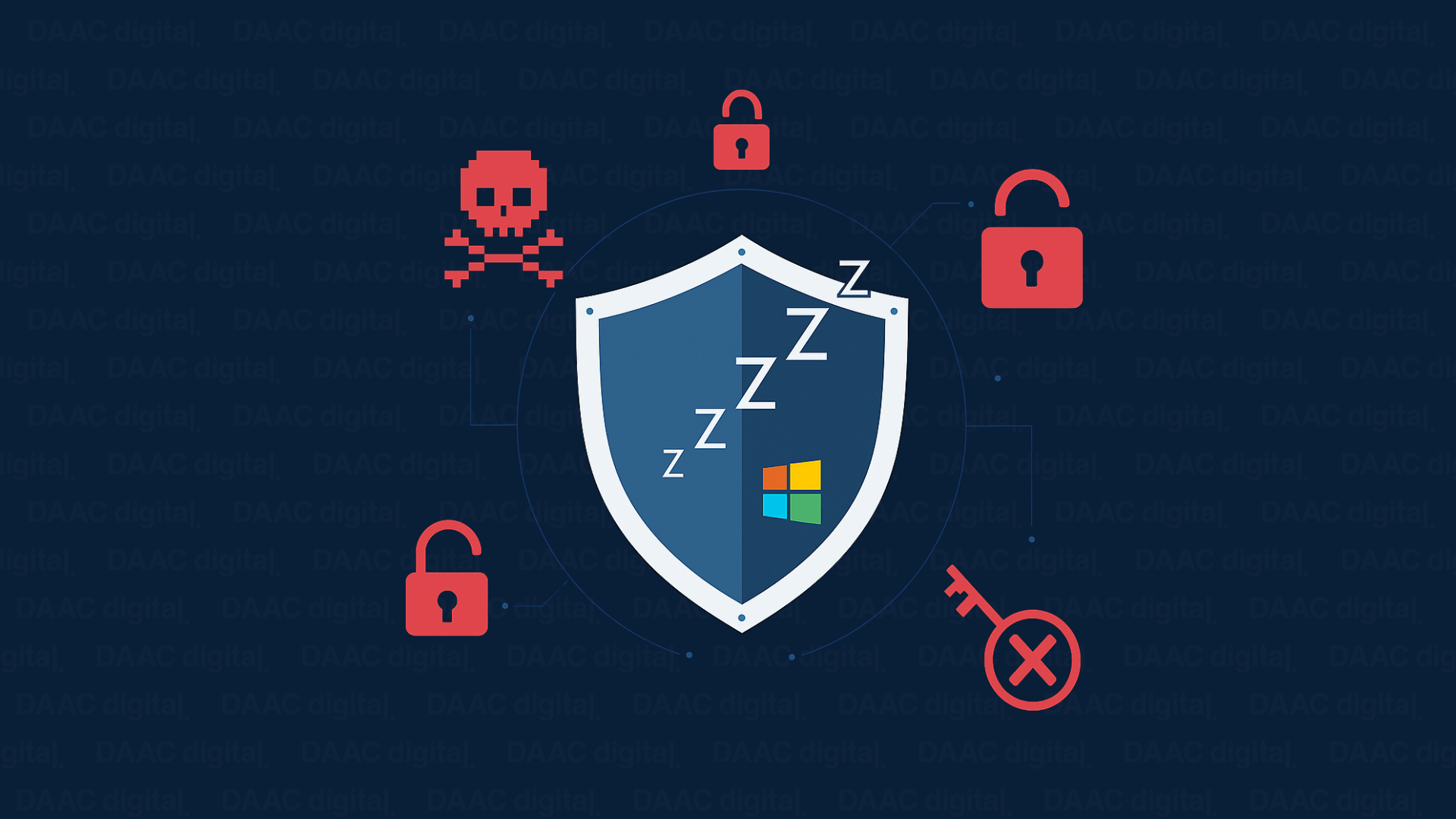
EDR-Freeze is a technique that can pause security software like antivirus and EDR, effectively putting them to sleep. It works by misusing a standard part of the Windows operating system. Although it is currently a public demonstration, the technique is significant, and threat actors will likely adopt it soon. The core of this method is its misuse of the trusted Windows error-reporting tool. An attacker can instruct Windows to create a “minidump”—a memory snapshot used for debugging—of a security tool, a process that briefly freezes it, and then cleverly manipulate the process to keep it frozen indefinitely. This is particularly effective because it doesn’t rely on suspicious code that security tools would normally flag; it uses a built-in Windows feature to neutralize the very tools meant to protect corporate endpoints. History shows these demonstrations quickly turn into powerful weapons for cybercriminals, making EDR-Freeze a real threat that will almost certainly be used by ransomware gangs and other serious hacking groups against organizational assets.
This technique is not an isolated trick but rather the latest evolution in a long history of evasion tactics. We have already seen sophisticated tools like EDR-Kill-Shifter used in real attacks to shut down security software before ransomware encrypts company files. Similarly, attackers use methods like “Bring Your Own Vulnerable Driver” (BYOVD), where they use a legitimate but flawed system component to gain the highest level of control over a corporate system. These methods all exploit the same underlying principle: turning trusted parts of the system against itself. Every operating system has potential weak spots, especially something as complex as Microsoft Windows. The very features that make Windows a useful enterprise tool can be turned against it by hackers. This means there will always be a risk that an endpoint’s defenses can be bypassed by an attacker who understands how to misuse its normal functions.
The existence of techniques like EDR-Freeze highlights an important truth: we cannot depend solely on endpoint security solutions. While essential for protecting company assets, these tools are not a perfect solution that stops every threat. A layered security approach is necessary for any robust enterprise security posture. Think of your organization’s security like a patchwork quilt, where each patch is a different type of protection: your endpoint protection platform, network firewall, access control policies, and security awareness training. Relying on just one big security tool is like using a single blanket—one tear and your assets are exposed. A quilt, however, remains strong even if one patch gets a hole. If an endpoint’s protection is frozen, the other security layers are still there to protect the network and data. This is the essence of layered security, where different controls work together to build a much stronger defense than any single tool ever could. A strong network security architecture is a critical layer that can spot and block attacks even if the software on an endpoint has been neutralized.
In conclusion, EDR-Freeze is a serious reminder for all security professionals. The world of cybersecurity is constantly changing, and we cannot afford to become complacent. While endpoint security is a key component of any defense strategy, it is not infallible. We must adopt a layered approach, understanding that many controls working in concert are better than one. By combining different types of security technologies and processes, we can build a stronger, more resilient defense that is better prepared for the advanced cyber threats facing our organizations now and in the future.
Author: Alexey Shulenkov (Cybersecurity Solutions Consultant, DAAC digital)
For more detailed information on our cybersecurity solutions, please visit our dedicated page: Cybersecurity.